
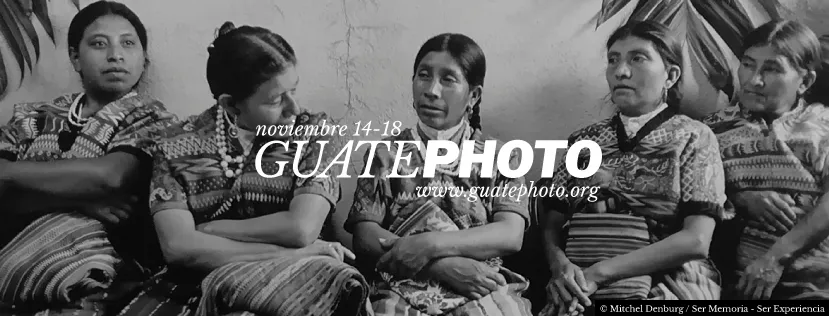
I’ll take you through the process of how we designed the GuatePhoto Festival 2018. Best practices and takeaways included.
Company
La Fototeca
Team
Caramba Moreno
Overview
La Fototeca, a school of photography based in Guatemala, was born with the mission to educate, promote, document, and celebrate contemporary photography which is why they created the GuatePhoto Festival, an international event that summoned photographers from all over the world.
We were a team of 1 design lead, web designer, and programmer (Mauricio González), 1 programmer (Alexander Díaz), and 1 graphic designer (yours truly, Maryliz Castillo) with the challenge of bringing to life the festival and its collateral from scratch in a 3-month period.
The Challenge
2018’s festival was special for 2 reasons: it was the last one after three editions, and its purpose was to celebrate Guatemalan photography since it started in 1844 and all the way to contemporary photographers in the 21st century. So, when J.J. Estrada, La Fototeca’s co-founder and director called Mauricio, he asked for the project to represent that. And as a treat, he wanted a black and white color scheme.
The Deliverables
Branding, website, posters, OOH advertising, display signage for the galleries, street interventions, presskits, invitations, social media posts, and the first book of Guatemalan photography history “Lenguajes de Luz: Dos Siglos de Fotografía en Guatemala (1844–2018)”.
The Concept
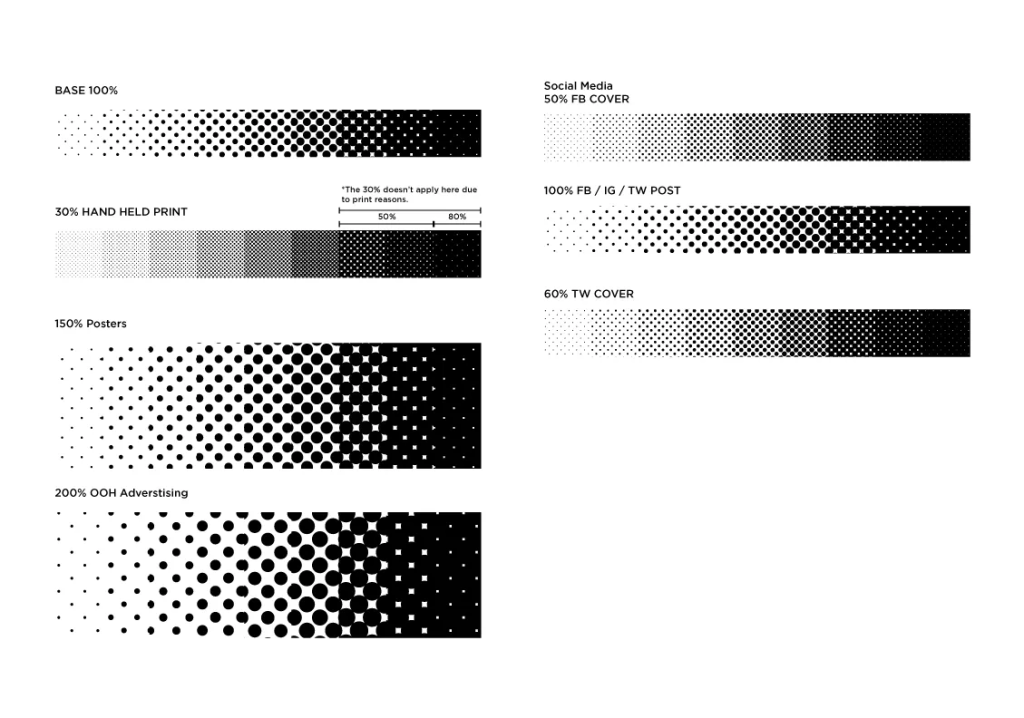
The comparison of the past and present was key to developing the whole brand and everything from the logo to the grid system played a role to achieve that goal.
Mauricio was inspired by the underexposure and overexposure paper guides that a friend made in a darkroom. “He folded stripes of paper and used them as guides of light zones” Mauricio recalls, so he used that as a graphic element that represented the past. And then he took that and implemented it in a contemporary look and feel.

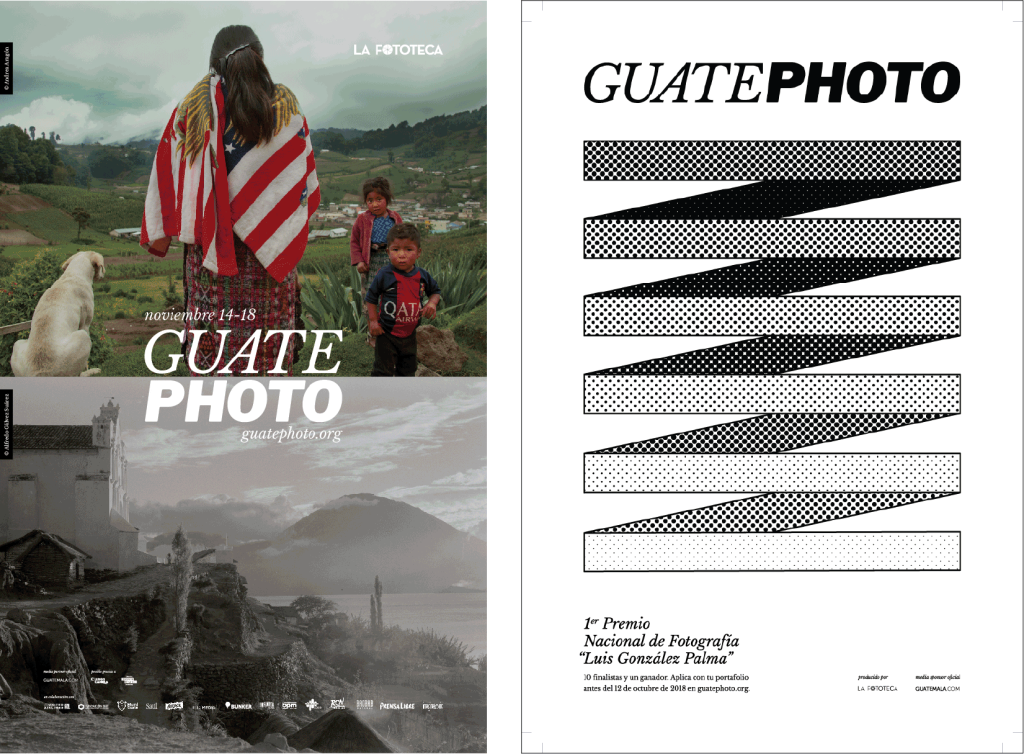
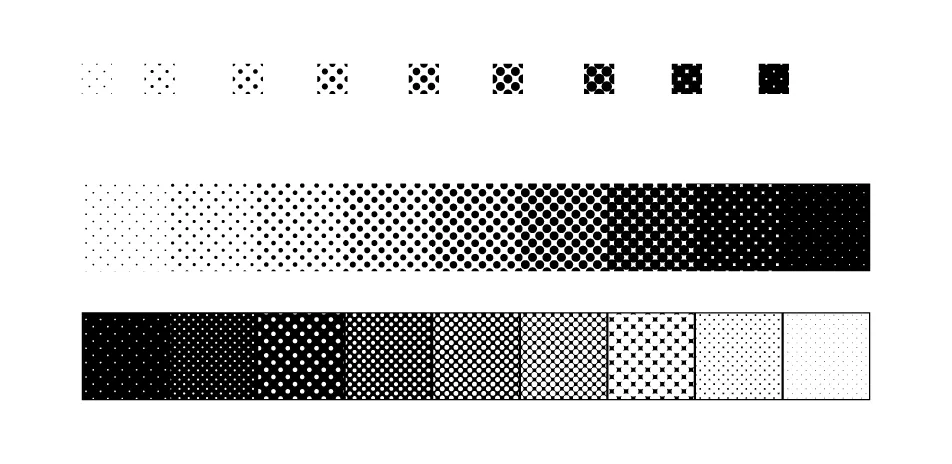
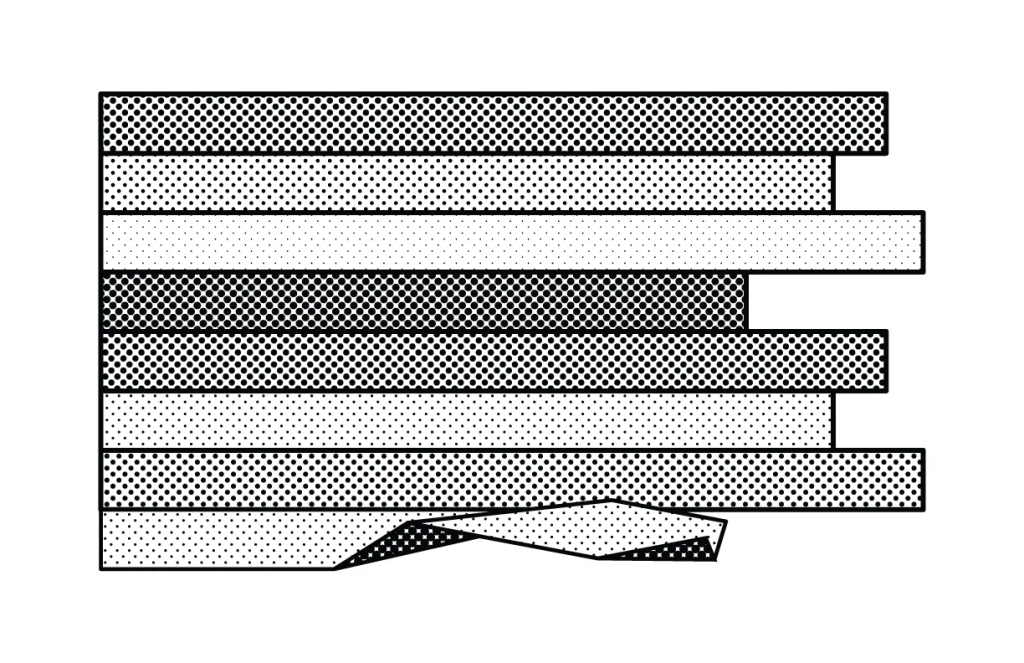
Time was of the essence, so practicality was a must. Here are 5 best practices to speed our process in design production.
1. Content centralized in the cloud
We were working with several other teams like marketing, curators, writers, and editors, so we needed to keep one live version of all assets and have the most updated version of the documents in hand. Google Drive was our tool of choice.
2. An attitude of resourceful thinking and empirical learning
First, know your tools. This is a must because life can get so much easier if you use the software at its full capacity. But also, we were handling a lot of deliverables, of course, no one was an expert on everything, so we kept an open mind to learning by doing.
3. Delegate practical decisions
Hierarchies are helpful, but sometimes bureaucracy can play against us, so delegating small decisions was important to avoid wasting time. Trusting all members of the team and remembering we were all working towards the same goal was essential.
4. Thinking about how each design rule would apply to other contexts
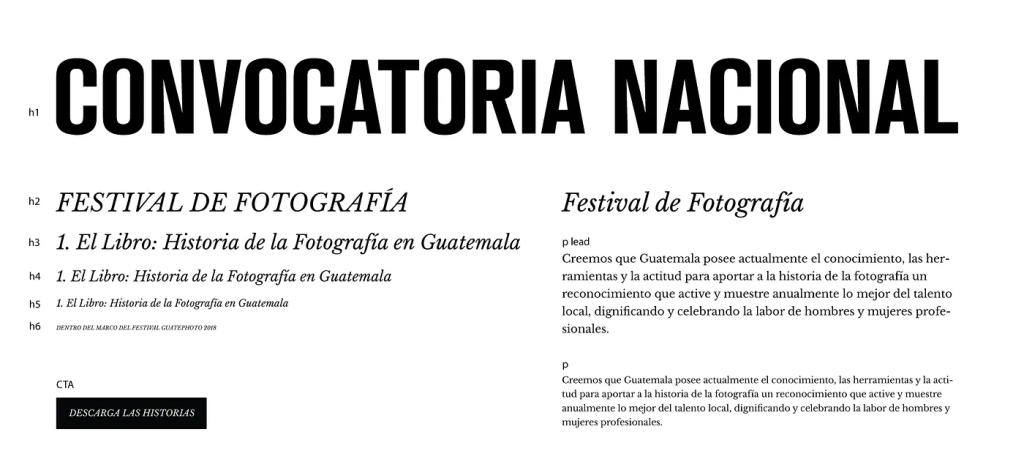
The graphic system was designed to take the least time possible on design decisions. There were guides on how to use the patterns correctly in each scenario, typography hierarchies, how to use the different versions of the logo, how would the grid system be applied to different materials, and so on. This helped speed the process and have a coherent cross-functional design system.
5. Taking care of our mental health
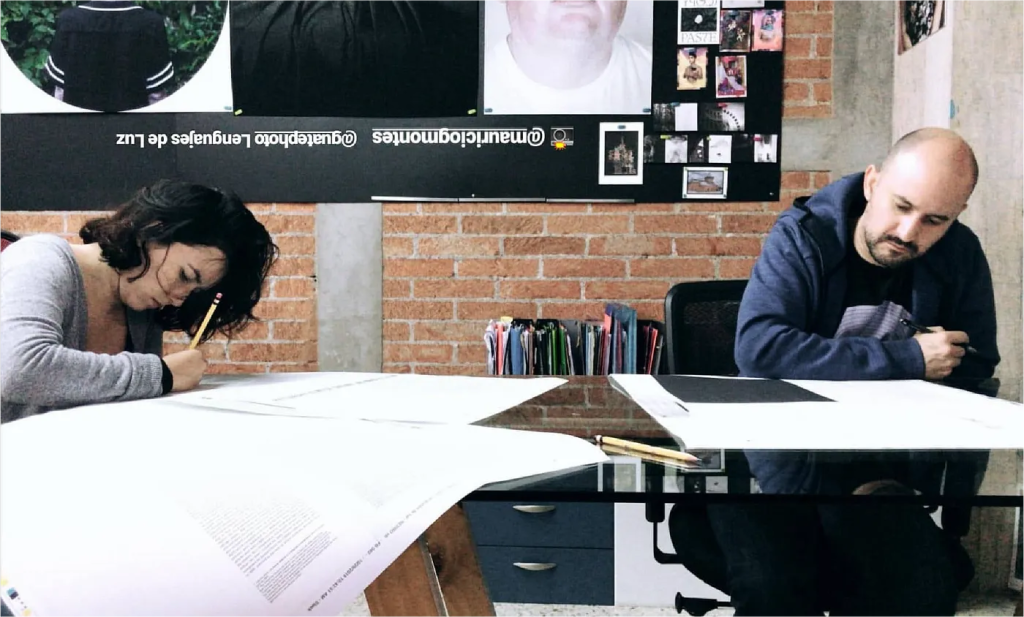
Being such a small team working so many hours a day, burnout was definitely a possibility. In the hustle culture, eating at the desk or not eating, not having breaks, and not sleeping as much are standard practices. As a leader, Mauricio took the initiative to make sure everybody ate and slept right, and made it an office policy to use the Pomodoro technique so that even when we were working on speed mode, we had a chance to clear our minds. Keeping a light and fun environment was also super helpful. Big kudos to Pedro Pablo Reyes who helped us out a few Sundays.
The End Result
Video
Big Kudos to Pablo Mendez the motion designer in charge of this video.
Social Media
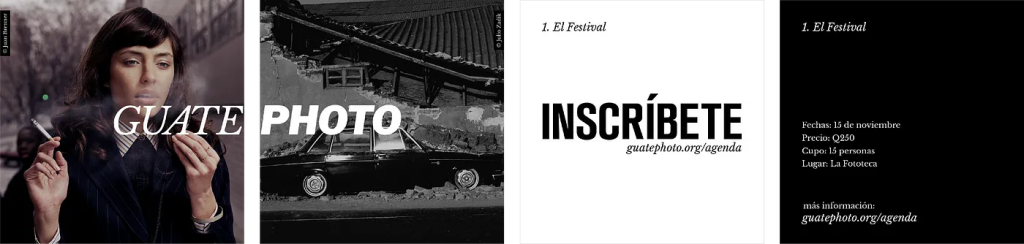
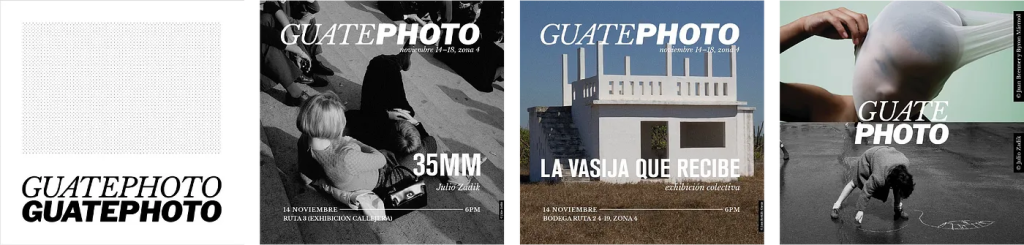
Print Media
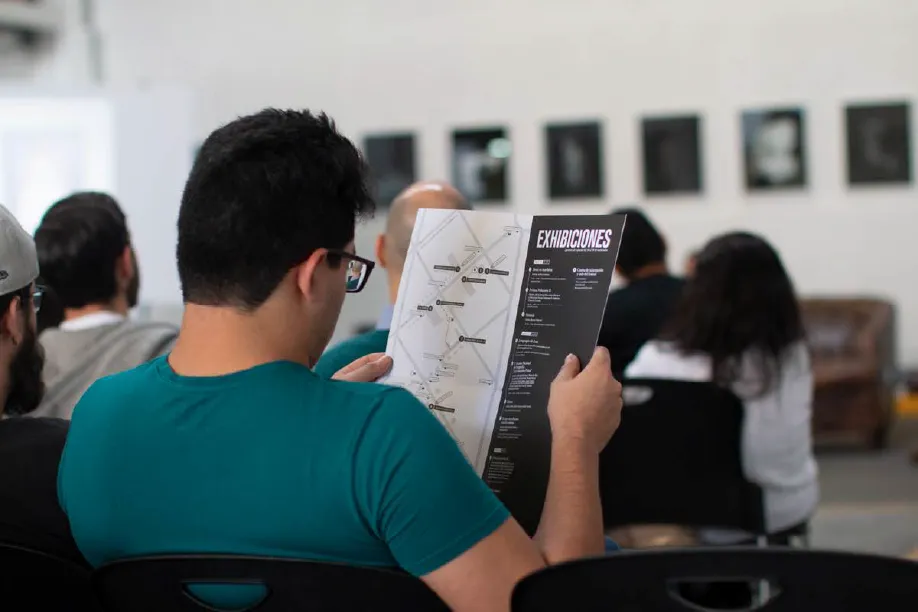
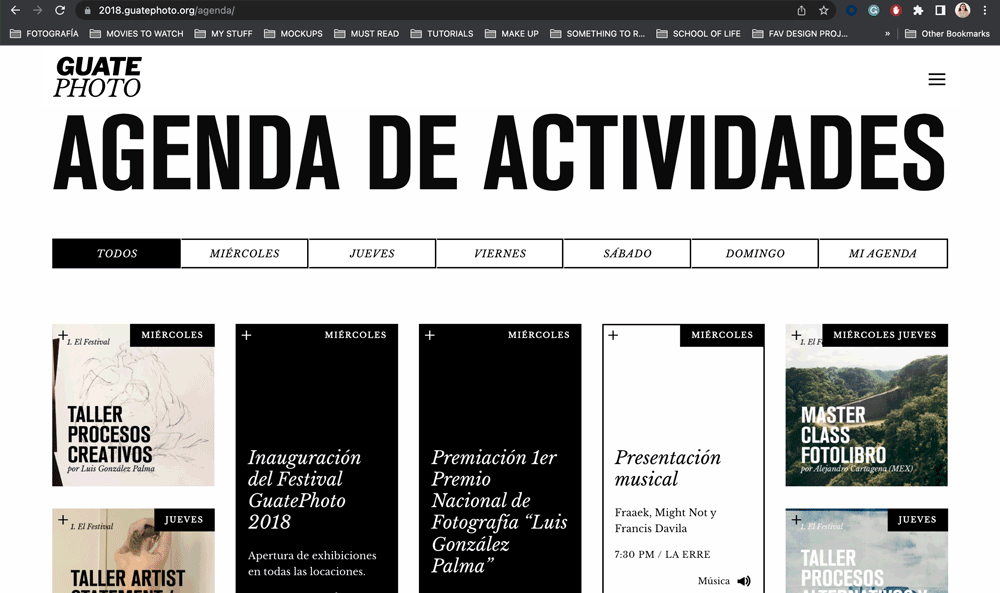
We did an agenda with a map that guided visitors through Cuatro Grados Norte, the zone where the event took place. And in the entrance of every gallery, we placed a map that let people know where they were, where they needed to go next, and a time estimate of how much time they’d be in each place.

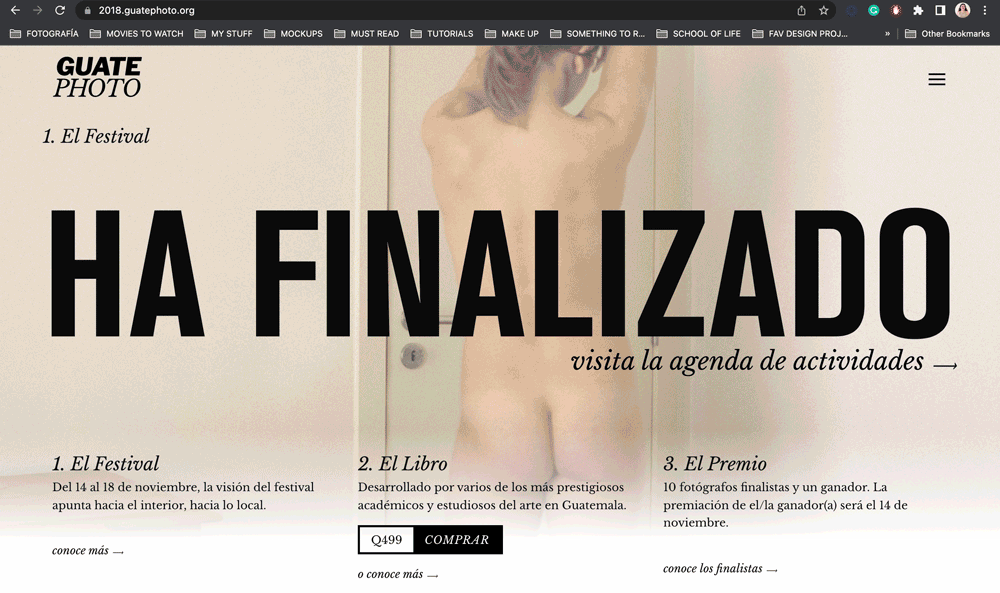
The Website
The Book
We worked alongside a team of editors, writers, and assistants to supervise the production of “Lenguajes de Luz, Dos Siglos de Fotografía en Guatemala (1844–2018)”. The book compiles the research, photographic body of work, timeline, and biographies of the most important Guatemalan photographers.
Just like the branding, the book jacket and cover are an allusion to all the different exposures to photosensitive paper.
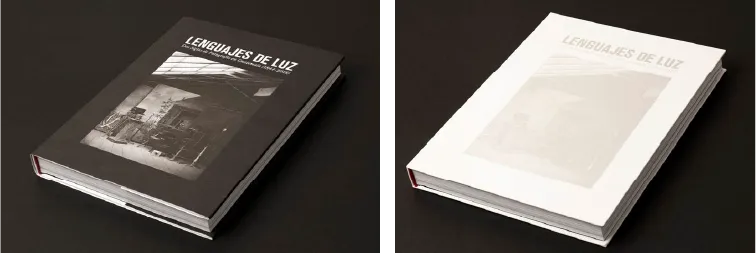
Take a peak at the book:
Here are our most important takeaways.
1. Loving a project doesn’t pay the bills
Money is not everything in life, but for projects this big it’s important to prioritize the amount of time, work, and overall energy that you put into it. So if the project’s budget doesn’t match that, then you need to assess if there are other things that support your return on investment. If there aren’t, let go.
Here is also important to note that projects sometimes get bigger in the process, so be sure to ask for more money and team members.
2. Get quality assurance personnel
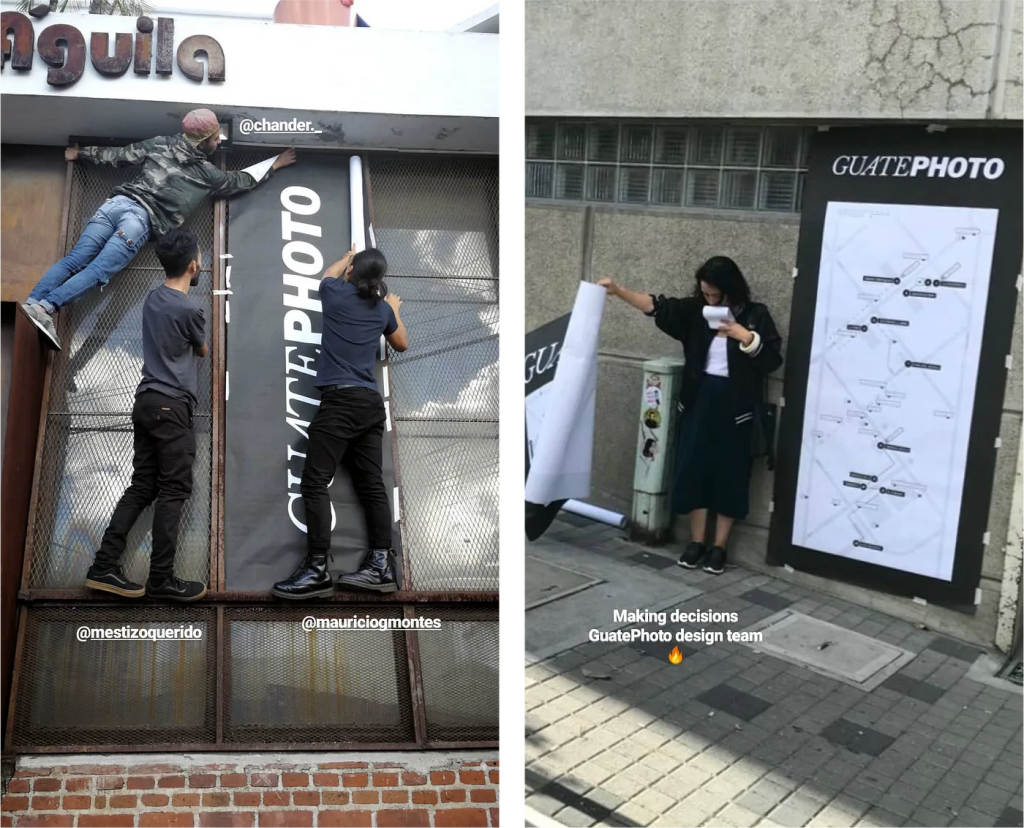
Be sure there’s quality assurance personnel because you can’t be on top of everything at the same time. In our case, we needed it for the installation of display signage. It doesn’t matter how good the design is if it’s not installed properly.
3. Documentation is important
The biggest mistake we made was not making sure there was someone documenting the whole event. Sure, there were a few photographers that took pictures here and there, but you want someone who is in charge of that task. We have very few pictures and it was a tremendous project.
The End
Thanks for reading, I hoped you enjoyed it and take something with you!